The Story of Inspire U Foundation At just 16 years of age, Buhle Tumi Mukwanazi noticed a glaring problem that many overlook: the state of old, dilapidated schools in rural areas. Growing up, she saw firsthand how poor educational facilities affected students’ learning experiences and limited their future opportunities. Driven by a vision for change and a desire to improve underserved communities, and as part of her President’s Award residential project, Buhle set out to tackle the issue head-on. Instead of waiting for government to address the problem, Buhle founded Inspire U Foundation, a non-profit organization committed to rebuilding and revitalizing these crumbling schools. This initiative goes beyond simple repairs; it aims to transform schools into state-of-art, safe, inspiring environments where students can thrive. With an ambitious dream to empower young learners by improving their physical learning spaces, Buhle’s organization has captured the hearts ofcommunities and is drawing support from individuals and institutions alike. Now, Buhle’s journey is just beginning. As she launches Inspire U Foundation, it stands as a testament to the impact that one determined individual can have. Inspire U Foundation is not only a force for change but a call to action, inspiring others to invest in the future of rural education and make a lasting difference in the lives of countless children.
Rebuilding of Patrick Ramaano Secondary School
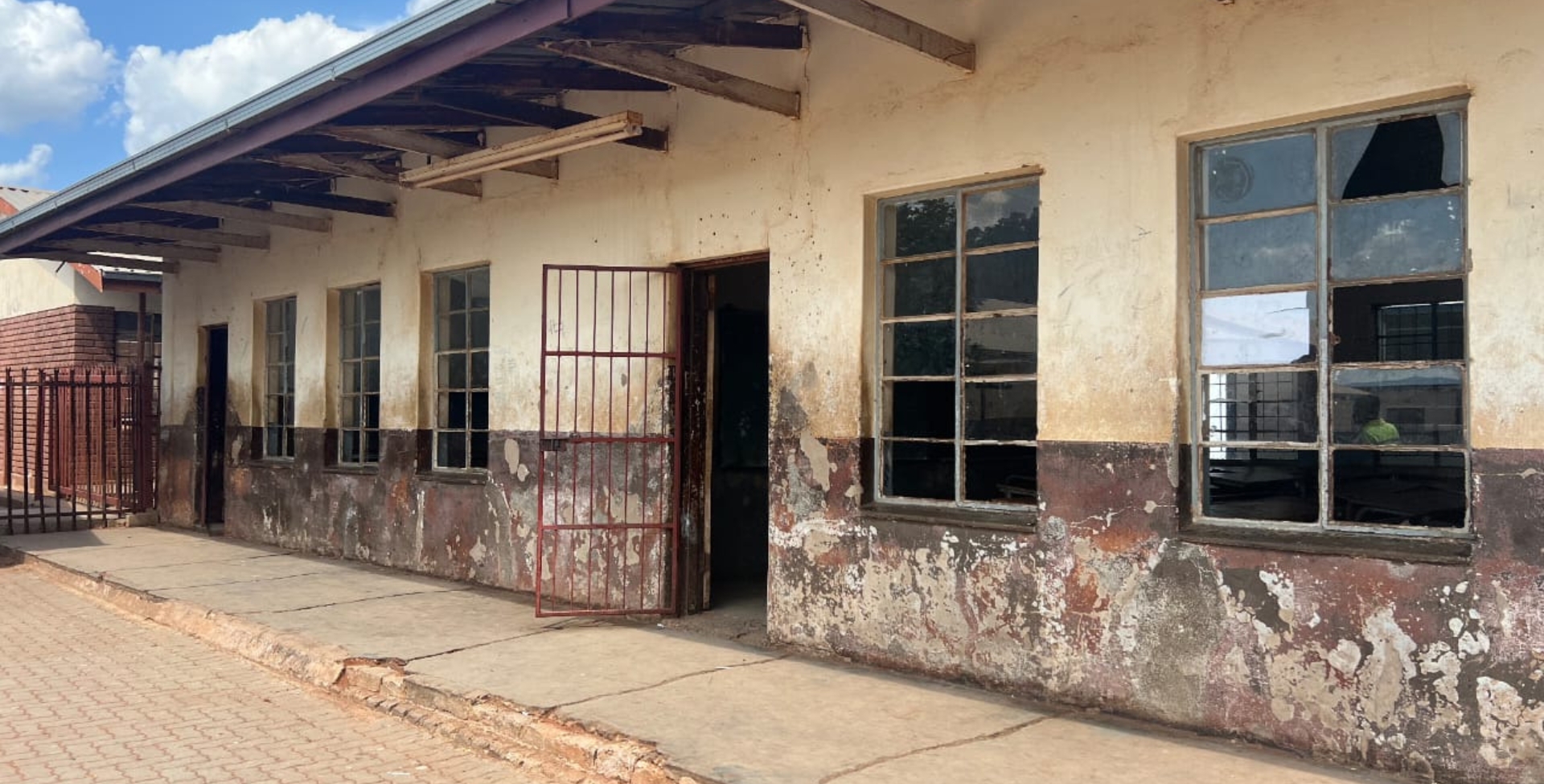
Rebuilding of Patrick Ramaano Secondary School The school is situated in Ndzhelele Village in Vembe District, in Limpopo Province. Our aim is to turn the school into a modern, safe, and inspiring learning environment for learners, enabling them to thrive academically, socially and emotionally. The current school infrastructure is inadequate to accommodate the growing learner population. The buildings are dilapidated, lack essential facilities, and do not meet the safety standards. The classrooms are overcrowded and hinder effective teaching and learning. Lacks necessary facilities like library, computer lab, etc. The school continue to demonstrate academic potential by producing high performing matriculants that receives provincial and national recognition. Currently serving 2145 learners, in a total of 37 classrooms (of which 10 are mobile classrooms) which accommodates about 90 learners per class The Project Aims To:Turn Patrick Ramaano Secondary School into a state-of-the art school building with modern facilities consisting of the following features: Modern Classrooms: Sufficient and Spacious, well-lit classrooms with ergonomic furniture and advanced technological infrastructure to support interactive learning Science and Computer Labs: Fully equipped laboratories for hands-on experiments and computer –based projects, fostering scientific enquiry and technological literacy Library and Resource Center: A comprehensive library stocked up with a diverse collection of books, digital resources, and multimedia materials to promote a reading culture and research skills Multipurpose Hall: A versatile space for assemblies, performances, sports events, and community gatherings, promoting teamwork, creativity, and cultural exchange Outdoor Facilities: Security Fence, Sports fields, and green spaces for recreational activities, physical education classes, and environmental education. Administrative Offices: Efficiently designed administrative offices to streamline school operations and facilitate communication between staff, students, and parents. Nutrition Center: A meal preparation area, a dining hall and a space for gardening
Education & Charities are Closing the Global Education Gap
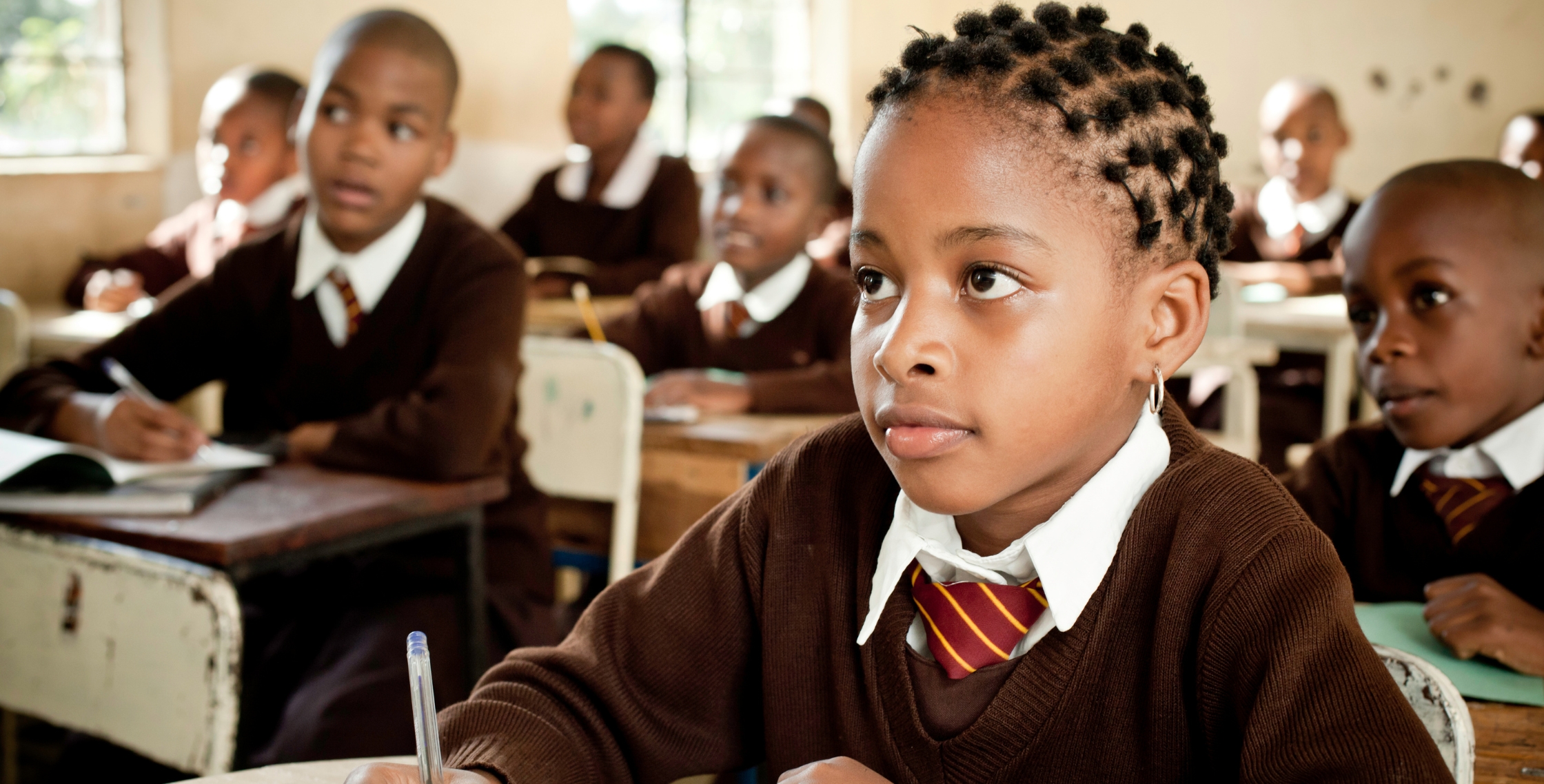
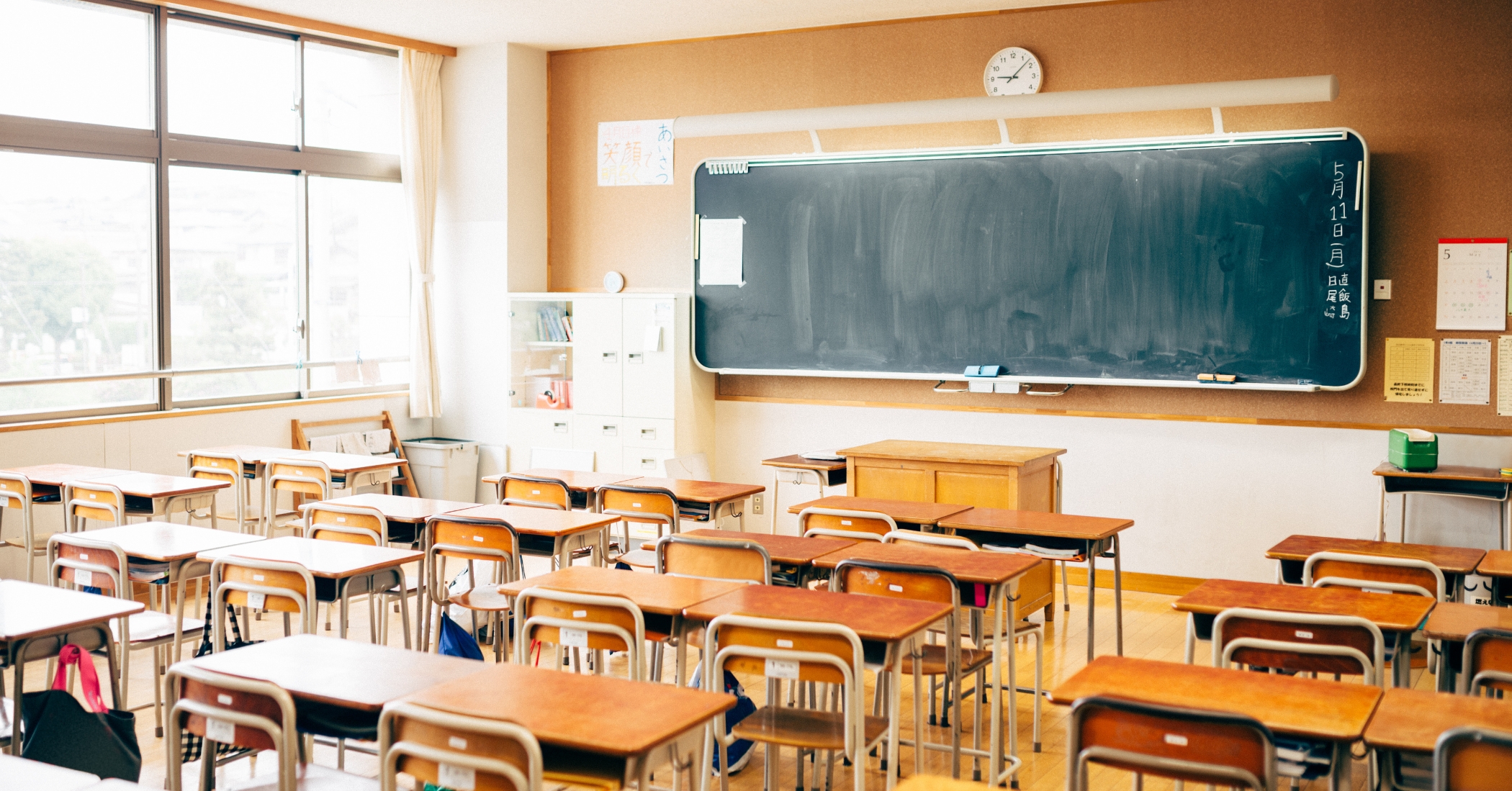
Education is a powerful tool for change, yet over 250 million children worldwide lack access to even basic schooling. Educational charities around the world are working tirelessly to close this gap, offering resources, trained teachers, and safer learning environments. Their efforts address systemic inequalities, empowering children with the education they deserve. In this article, we’ll explore the global education crisis, the impact of educational charities, and how these organizations bring lasting benefits to children and communities worldwide. The Global Education Crisis The global education gap affects millions of children, especially those in low-income countries, remote areas, and conflict zones. Access to quality education varies dramatically depending on factors like geography, socioeconomic status, and government funding. In low-income areas, schools often lack basic resources like textbooks, technology, and even safe classrooms. Rural and conflict-affected regions face additional barriers, with children sometimes traveling hours on foot just to attend school, often in unsafe conditions. How Educational Charities Close the Education Gap Educational charities take a multi-faceted approach to address the complex issues that contribute to the education gap. Here’s a look at some of the main ways they make a difference: Success Stories: Real Impact Around the World Educational charities have had a measurable impact on communities around the world. For instance, several well-known organizations have constructed hundreds of schools across sub-Saharan Africa, benefiting thousands of children who now have access to safe and supportive learning environments. In regions affected by natural disasters, educational charities help rebuild schools, ensuring that children can continue learning amid challenges. In South Africa, a charity’s mobile library program provides children in rural villages with access to books and learning materials. In Afghanistan, mobile school buses bring education to children in remote areas. These success stories demonstrate how educational charities can adapt their approach to local needs, making a direct and lasting impact. ConclusionClosing the global education gap requires collaboration, innovation, and sustained support. Educational charities are at the forefront of this mission, providing schools, resources, and hope to millions of children. The positive effects of their work extend far beyond individual students, improving entire communities and contributing to a brighter, more equitable future. By supporting educational charities, you can help make a lasting difference and contribute to a world where every child has access to quality education.