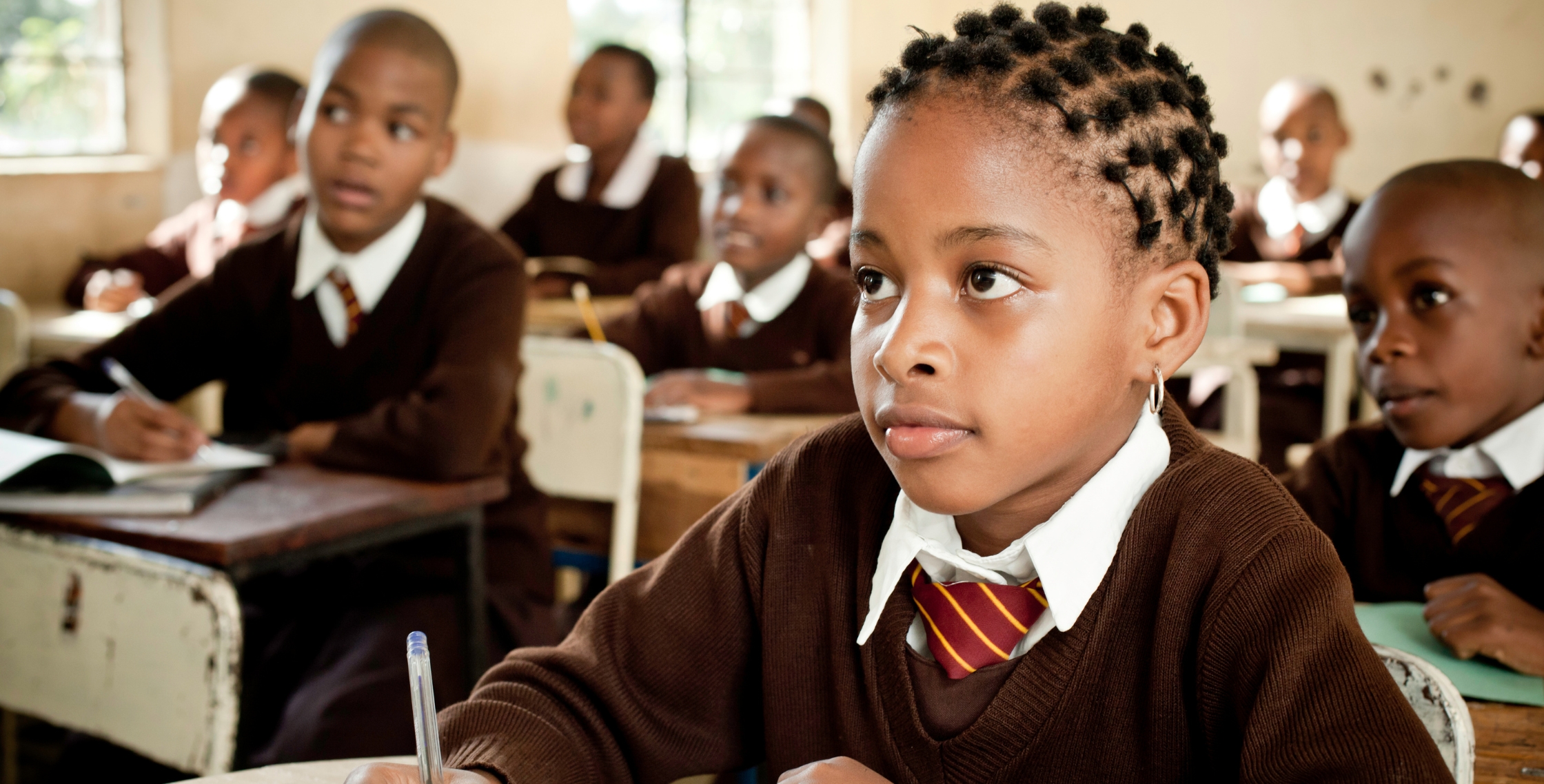
Education is a powerful tool for change, yet over 250 million children worldwide lack access to even basic schooling. Educational charities around the world are working tirelessly to close this gap, offering resources, trained teachers, and safer learning environments. Their efforts address systemic inequalities, empowering children with the education they deserve. In this article, we’ll explore the global education crisis, the impact of educational charities, and how these organizations bring lasting benefits to children and communities worldwide.
The Global Education Crisis
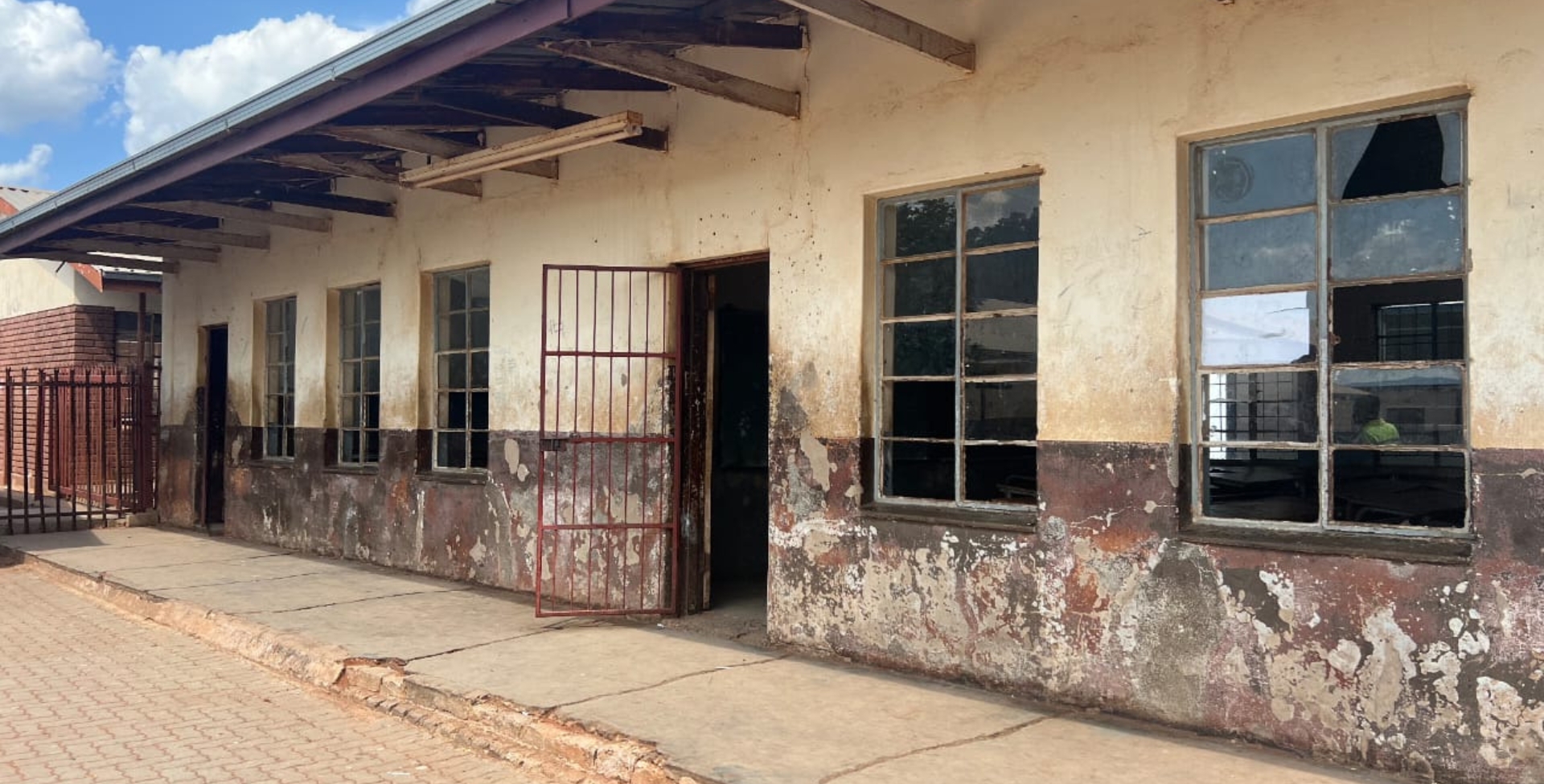
The global education gap affects millions of children, especially those in low-income countries, remote areas, and conflict zones. Access to quality education varies dramatically depending on factors like geography, socioeconomic status, and government funding. In low-income areas, schools often lack basic resources like textbooks, technology, and even safe classrooms. Rural and conflict-affected regions face additional barriers, with children sometimes traveling hours on foot just to attend school, often in unsafe conditions.
- Education as a Fundamental Right
Education is recognized as a fundamental human right by the United Nations, yet many children are still denied this right. Educational charities aim to close the education gap by improving accessibility and quality, striving to give every child the opportunity to learn and grow.
- The Long-Term Effects of Education Inequality
When children miss out on education, the effects are lasting. Illiteracy, limited job prospects, and a cycle of poverty continue from generation to generation. Educational charities work to address this cycle by ensuring that future generations have a better chance at success.
How Educational Charities Close the Education Gap
Educational charities take a multi-faceted approach to address the complex issues that contribute to the education gap. Here’s a look at some of the main ways they make a difference:
- Building and Renovating Schools
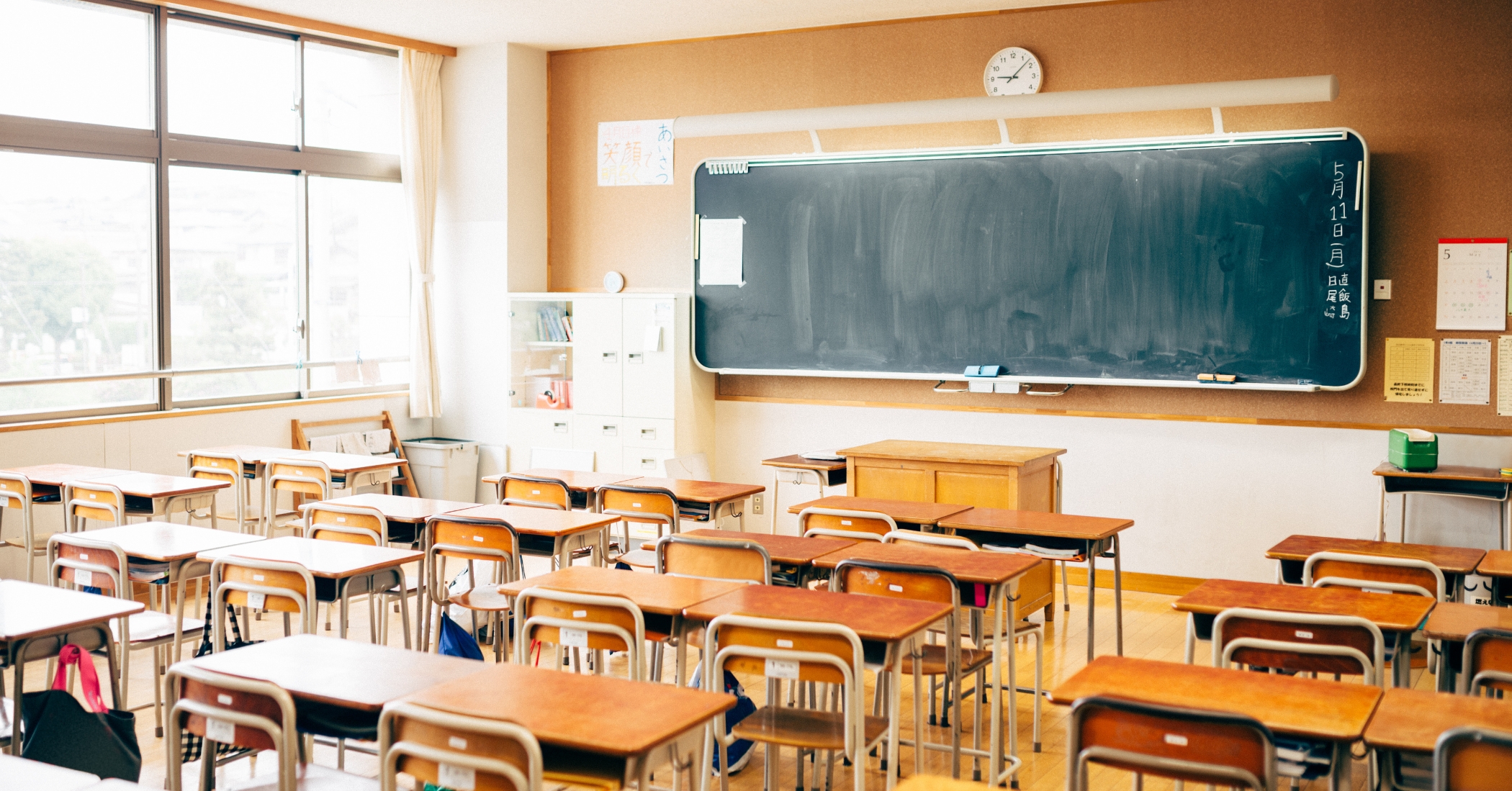
One of the first steps to improving education is creating a safe, supportive learning environment. Many charities fund the construction and renovation of schools in underserved areas, ensuring that children have access to basic infrastructure like classrooms, desks, and sanitation facilities. School construction projects also create local job opportunities, benefiting communities in multiple ways.
- Providing Educational Resources
Lack of resources is one of the main challenges facing schools in low-income areas. Many educational charities supply textbooks, computers, and other learning materials that make lessons more engaging and interactive. Access to these resources enhances the learning experience and increases students’ motivation to attend school regularly.
- Teacher Training Programs
Quality education depends on well-trained, motivated teachers. Educational charities often provide teacher training programs to enhance instructional quality and effectiveness. These programs equip teachers with modern teaching techniques, curriculum planning, and classroom management skills, which in turn benefits the students.
- Offering Scholarships and Financial Aid
Financial barriers prevent many children from continuing their education. Scholarships and financial aid provided by charities allow children to stay in school, complete their education, and even attend higher education institutions. This support empowers students to reach their potential without the burden of financial constraints.
Success Stories: Real Impact Around the World
Educational charities have had a measurable impact on communities around the world. For instance, several well-known organizations have constructed hundreds of schools across sub-Saharan Africa, benefiting thousands of children who now have access to safe and supportive learning environments. In regions affected by natural disasters, educational charities help rebuild schools, ensuring that children can continue learning amid challenges.
In South Africa, a charity’s mobile library program provides children in rural villages with access to books and learning materials. In Afghanistan, mobile school buses bring education to children in remote areas. These success stories demonstrate how educational charities can adapt their approach to local needs, making a direct and lasting impact.
Conclusion
Closing the global education gap requires collaboration, innovation, and sustained support. Educational charities are at the forefront of this mission, providing schools, resources, and hope to millions of children. The positive effects of their work extend far beyond individual students, improving entire communities and contributing to a brighter, more equitable future. By supporting educational charities, you can help make a lasting difference and contribute to a world where every child has access to quality education.